 10203 Kotzebue Street, #112, San Antonio, TX 78217
 +1 (210) 712-4700
 Mon-Sat: 9AM - 7PM, Sunday: 10AM-6PM


4 Steps for choose a bed frame.
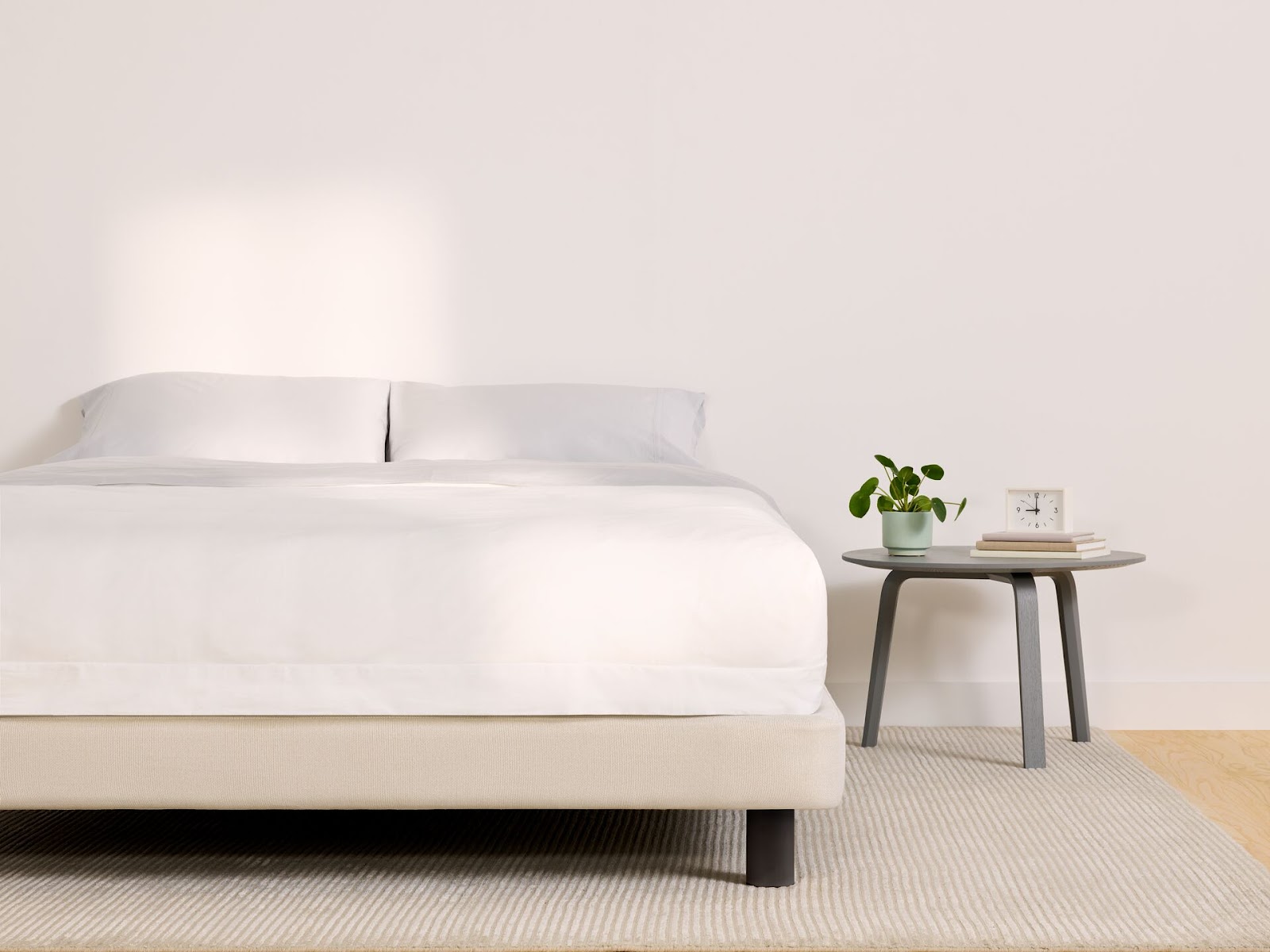
Step 1: Determine How Much You’re Willing to Spend
Given the number of cheaper options available, it may be tempting to choose the lowest-priced bed frame you can find, especially if you’ve already splurged in the mattress department.
Yet, it’s important to consider your options carefully and understand what quality you’re getting for the cost. After all, sleep is stupendously important to our overall well-being, affecting innumerable aspects of our physical and mental health.1 With so much on the line, you want to make sure to get the best available option for what you can afford.
So, how do you know if a bed frame is worth the cost? Here are a few things to look for:
what makes a good bed frame
Construction – How is the bed frame put together? Will you have to assemble it yourself, and if so, how difficult will it be? Will it require any special tools?
Material – Is it made of sturdy, durable materials? For longevity’s sake, it’s best to find a frame made primarily of longer-lasting options, like a solid wood bed frame and metal bed frame, rather than wood composites or plastics. The former options are less likely to break and will stand up to more wear and tear over time.
Stability – Does the bed frame have plenty of traction and support where it rests on the ground? Ideally, you want a bed frame that won’t creak or move from side to side when pushed or leaned against and doesn’t need additional support to stay in place.
Support – Does the bed frame provide enough support for your mattress, from top to bottom? Are there extra supports underneath the bed to stabilize the center? Remember the idea of a pie crust: Without adequate support, your mattress could sag or lose its shape over time.
Headboard – You’ll also want to decide if you need a headboard. A headboard can provide extra back and neck support, prevent wall damage, and elevate your room’s decor. But it’s not a necessity — forgoing a headboard will save you a little wall and floor space. Some bed frames come with the headboard attached, while others support detachable headboards.
With these considerations in mind, you’ll be able to choose a bed frame that suits both your budget and your taste—all while steering clear of options whose promises of excellent sleep aren’t supported by quality construction.
Step 2: Decide What Size You Need
Choosing the right size bed frame is crucial if you’ve already purchased a mattress. Though some sizes can seem similar, there are differences in measurements for each of the most common mattress sizes, so you’ll need a bed frame to match.
If you’re in the market for a new mattress, however, you have a lot more flexibility when it comes to choosing your bed frame. In this case, you may want to consider the size of the room the bed will be in and how much space you need around it.
Let’s take a look at the different bed sizes, and what they have to offer:
Twin – The smallest option available, a twin bed can accommodate a single child or adult and fits well in the smallest of rooms. A twin bed frame typically measures 38” x 75”.2
Twin XL – For those who need a single bed with a little extra length, a twin XL is a slightly extended version of a regular twin, measuring five inches longer at 38” x 80”.
Full/Double – A full-sized bed, also known as a double, can comfortably fit a single adult at 54” x 75”. Though it may feel a bit small for two adults, it can accommodate two people if needed and can still be a good option for smaller and medium-sized bedrooms.
Queen – Measuring at 60” x 80”, a queen-sized bed is arguably the most common option for two adults, providing plenty of room without taking up an excessive amount of space. Because of the increased size, a queen is likely to fit the best in a medium-sized room or larger.
King – At 76” x 80”, a king-sized bed boasts an additional sixteen inches compared to a queen and is the widest standard bed size available. A king takes up considerably more space and is thus suited to a larger room.
California King – Though not quite as wide as a regular king, the California king memory foam mattress offers four extra inches in length for those who need more room to stretch out, measuring at 72” x 84”.
One helpful tip when choosing your future mattress and bed frame is to consider the size of your current bed and how it suits your home, needs, and lifestyle. If you need extra room for pets or children, for example, sizing up may be a good idea. If, however, you’d like to make more use of the space around your bed, choosing a reasonably-sized mattress and frame will be of the most importance.
Your room size can also help you narrow down what type of bed frame to get. For example, a large primary bedroom may serve canopy or sleigh bed frames well. If you’re shopping for a small bedroom, you may want to consider a platform bed to save space.
Try to keep at least two feet free on each side of the bed so you can move around it.
Step 3: Choose a Bed Height Preference
Another aspect related to the size of your bed frame is its height. While many bed frames are situated at about the height of your knees, certain aspects of your life may impact what bed height is most suitable for you.
If you have restricted mobility, for example, it’ll be important to choose a bed frame that’s easy to climb into and out of, like Casper’s Upholstered Bed Frame, which sits at only 10.6 inches off the ground. This is also something to consider if the bed will be shared with pets or little ones.
An easy test of ideal bed frame height is to sit in a chair where your feet comfortably rest on the ground and then measure the height of the chair’s seat. If the combined height of your bed frame and mattress is too much taller, it could pose difficulty at bedtime.
On the other hand, if you like your bed a little higher off the ground, you may have the benefit of using the area underneath for additional storage space—a great advantage for those inhabiting smaller rooms.
.jpg)
Step 4: Determine Whether You’ll Need a Box Spring
As you traverse the world of bed frames and unravel the mysteries of how to buy a bed, you may be wondering do you need a box spring. If you already have one at home and plan to use it with your existing mattress, you’ll want to make sure to find a bed frame that can accommodate both.
If you don’t already own a box spring, though, you may be happy to learn that, when paired with a contemporary mattress, many modern bed frames simply don’t need them. (Can you imagine if that pie we mentioned didn’t need a pie pan? Pure magic.)
Instead, you can look for wooden bed frames with a mattress foundation or platform that still provides plenty of support, like the Casper Mattress Foundation.
The solid wood engineering of the Casper Mattress Foundation ensures both support and durability, while providing the height of a traditional box spring.